
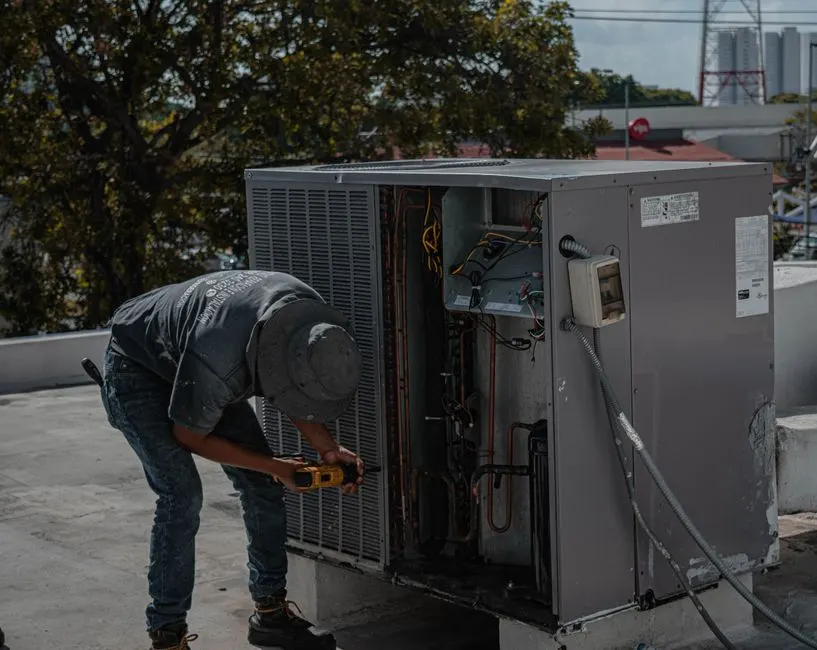
Utah furnace regulations every homeowner should know come down to four things: a permit for any new install or replacement, a 95% AFUE minimum for most residential gas furnaces, a working CO alarm and proper venting, and a code-compliant inspection before the system is signed off. Those rules apply whether you live in a 1950s bungalow in Bountiful or a new build in Alpine, and they exist because a furnace is the one appliance in your house that can quietly kill you in your sleep.
Below we walk through the actual code requirements, the permit process, efficiency minimums, ventilation rules, and what changes if you rent your property out. We do this work every winter across the Wasatch Front, so this is the version of the rules that matters on a real job site, not the version in a code book.
What are the furnace regulations in Utah?
Utah furnace regulations are the state and local building codes that govern how a gas or electric furnace is sized, installed, vented, and inspected in a Utah home. They are adopted from the International Residential Code and International Mechanical Code, then amended by each city and county, which is why the permit office in Provo and the permit office in Brigham City can ask for slightly different paperwork on the same job.
The rules cover five areas: permits and inspections, minimum efficiency, combustion air and venting, gas piping and electrical connections, and carbon monoxide protection. A licensed contractor pulls the permit, does the work to code, and calls for inspection. If any of those steps get skipped, the homeowner inherits the problem - not the contractor who disappeared.
One more thing worth knowing: Utah furnace code requirements apply to replacements, not just new construction. Swapping a 1998 furnace for a 2026 model is a permitted alteration in nearly every Utah jurisdiction, even if the ductwork and gas line stay exactly where they are.
Do I need a permit to install a furnace in Utah?
Yes. In every Utah city and county we work in, replacing or installing a furnace requires a mechanical permit and a passed inspection. There is no size threshold and no exception for "same-size swap" jobs. The permit typically runs $75 to $250 depending on the jurisdiction and whether gas and electrical work is included, and the inspection is usually scheduled within one to three business days of the install.
Here is what the permit process actually looks like on a standard residential replacement:
- The contractor pulls the mechanical permit from the city or county before any equipment is ordered.
- The old furnace is removed, the new one is set, and the gas line, flue, drain, and electrical connections are brought up to current code.
- The contractor calls for inspection. The inspector checks clearances, venting, gas pressure, combustion air, and the CO alarm.
- The permit is signed off and closed. You should keep that paperwork - it matters at resale.
If you sell a Utah home and the buyer's inspector finds an unpermitted furnace, you will be paying for a retroactive permit and possibly a re-install. We see this every spring. It is cheaper to do it right the first time, and it is one reason we handle Utah furnace installation with the permit and inspection built into the quote rather than as an add-on.
Utah furnace efficiency standards for homeowners
Utah furnace efficiency standards for homeowners start at 95% AFUE for most new residential gas furnaces. AFUE is annual fuel utilization efficiency - the percentage of gas that becomes heat instead of going up the flue. A 95% furnace loses 5 cents of every dollar to exhaust; an 80% furnace from the 1990s loses 20 cents.
The federal minimum for new residential gas furnaces sits at 80% AFUE in much of the country, but Utah sits in the northern region where the Department of Energy requires 95% AFUE for non-weatherized gas furnaces. In practice, that means the 80% furnace on the shelf at a big-box store is not legal to install in a Utah home. If a contractor offers you one, walk away.
What that means for your wallet in 2026:
- 95% AFUE single-stage furnace: $3,800 to $5,500 installed, including permit and inspection.
- 96% to 97% two-stage furnace: $5,200 to $7,800 installed.
- 97%+ modulating furnace: $7,500 to $11,000 installed.
Those ranges assume a standard replacement with existing ductwork and a straight flue run. Add $800 to $2,500 if you need a new PVC intake and exhaust, a condensate pump, or a duct transition. If you are weighing repair versus replacement, our Utah furnace replacement team will give you the honest number on both before you decide.
Utah furnace safety inspection regulations
Utah furnace inspection requirements are not a statewide annual mandate for owner-occupied homes, but they are mandatory at installation, at replacement, and any time a permit is pulled for related gas or mechanical work. For rental properties, the rules tighten considerably - more on that below.
What a code inspection actually checks:
- Clearance to combustibles - typically 1 inch on the sides, 6 inches at the front, and per the manufacturer's label.
- Flue draft and vent connector slope - 1/4 inch rise per foot of horizontal run.
- Gas supply pressure - 7 inches water column for natural gas, 11 inches for propane.
- Combustion air - a minimum of 50 cubic feet of space per 1,000 BTU/hr input in a confined space, or a dedicated intake.
- Carbon monoxide alarm within 15 feet of every sleeping area.
Even without a legal mandate, we recommend an annual inspection and tune-up. A furnace that fails on a January night in Utah does not fail politely. It fails at 2 a.m. at 8 degrees. Our Utah furnace tune up covers the same checklist the inspector uses, so you catch a cracked heat exchanger or a failing inducer motor in October instead of during a cold snap.
Utah furnace ventilation code requirements
Utah furnace ventilation code requirements changed the game for high-efficiency furnaces. Any furnace rated 90% AFUE or higher is a condensing furnace, which means it produces acidic condensate and must be vented in PVC - not metal flue. You cannot tie a 95% furnace into the old chimney that served your 80% furnace.
The key rules:
- PVC exhaust must terminate at least 12 inches above grade and 12 inches from any window, door, or intake.
- Intake and exhaust must be at least 12 inches apart, with the exhaust higher than the intake.
- Horizontal runs need a 1/4-inch-per-foot slope back to the furnace for condensate drainage.
- Condensate must drain to a floor drain, condensate pump, or approved neutralizer - not onto a basement floor.
We see two failures constantly. First, a homeowner or handyman reuses the old metal flue on a new high-efficiency furnace, which voids the warranty and fails inspection. Second, the PVC exhaust is run too close to a window or a dryer vent, which lets exhaust re-enter the house. Both are cheap to fix during install and expensive to fix after the inspector red-tags the job.
If your home is older and the venting is questionable, our Utah furnace repair technicians will scope the flue and tell you exactly what needs to change before you spend money on a new unit.
Utah furnace regulations for rentals
Utah furnace regulations for rentals are stricter than for owner-occupied homes. Under Utah Code, a landlord must maintain the rental unit in a fit and habitable condition, and that includes a working heating system. If the furnace fails and the landlord does not repair it within a reasonable time - courts in Utah have generally treated 24 to 72 hours in winter as the window - the tenant can pursue remedies that include withholding rent or terminating the lease.
On top of habitability, rental properties fall under the same mechanical permit and inspection rules as any other home. A landlord who installs a furnace without a permit is exposed twice: once to the city, and once to the tenant if something goes wrong.
We work with a lot of landlords in furnace repair Bountiful Utah and across Davis County, and the pattern is consistent. The rentals that avoid emergency calls are the ones that get a tune-up every fall and a CO alarm check every time a tenant moves out. That is a $150 to $250 annual cost versus a $1,200 emergency replacement in January.
Common mistakes homeowners make with Utah furnace code requirements
The most common mistakes with Utah furnace code requirements are skipping the permit, installing an 80% furnace, reusing the old flue, and ignoring the CO alarm. Each one is cheap to avoid and expensive to unwind.
The list we see most often:
- No permit on a replacement. The homeowner saves $150 and inherits a disclosure problem at resale.
- Buying an 80% AFUE furnace online. It is not legal to install in Utah, and no licensed contractor will sign off on it.
- Reusing the metal flue on a condensing furnace. The flue will corrode within two to three seasons and the warranty is void.
- No CO alarm, or one that is 10 years old. CO alarms have a 5 to 7 year sensor life. Replace them, do not just test them.
- Oversizing the furnace. A furnace that is too big short-cycles, wears out faster, and leaves cold rooms. Manual J load calculation is part of the code for a reason.
- DIY gas line work. In Utah, gas piping is licensed work. A homeowner permit does not cover it.
If you are not sure whether your last install was permitted, call the city. They can look it up in two minutes, and it is better to know now than during a home inspection.
When to call a professional
Call a licensed professional any time the work touches gas, venting, or the permit. That covers every furnace install, every replacement, any gas line modification, and any repair that involves the heat exchanger, the inducer, or the flue. Those are the parts where a mistake is not a comfort problem - it is a carbon monoxide problem.
You can safely handle the filter, the thermostat batteries, and the CO alarm replacement yourself. Everything else, hand to a licensed tech. Our team at Furnace Pros Utah pulls the permit, does the work to current Utah code, and schedules the inspection before we leave the driveway. You get the signed-off paperwork, not a promise to mail it later.
If you are in a smaller community and not sure who covers your area, we serve most of the state, including furnace repair Alpine Utah and the surrounding Utah County neighborhoods. Same rules, same permit process, same inspection.
Frequently Asked Questions
What are the furnace regulations in Utah?
Utah requires a mechanical permit and inspection for any furnace install or replacement, a 95% AFUE minimum for most new residential gas furnaces, code-compliant venting and combustion air, and a working CO alarm near sleeping areas. Local cities amend the state code, so paperwork varies slightly by jurisdiction.
Do I need a permit to install a furnace in Utah?
Yes, in every Utah jurisdiction we work in. A mechanical permit costs $75 to $250 and covers the install plus the final inspection. Skipping it creates a disclosure problem at resale and can force a retroactive permit and re-inspection.
What furnace efficiency is required in Utah?
95% AFUE is the minimum for most new residential gas furnaces in Utah under federal northern-region standards. An 80% AFUE furnace is not legal to install in a Utah home, even though it is still sold in other states.
Are furnace inspections required in Utah?
Inspections are required at installation, replacement, and any permitted gas or mechanical work. Annual inspections are not mandated for owner-occupied homes, but we recommend one every fall to catch heat exchanger cracks, venting issues, and CO risks before winter.
How do Utah furnace regulations affect homeowners?
They raise the upfront cost of a replacement by $75 to $250 for the permit and limit you to 95% AFUE or higher equipment. In exchange, you get a safer system, a warranty that stays valid, and paperwork that holds up at resale.
Get help with Furnace Repair in Utah
If your furnace is failing, unpermitted, or overdue for a tune-up, we can look at it this week and tell you exactly what Utah code requires for your address. Call Furnace Pros Utah at (866) 961-2544 and we will schedule a visit, pull the permit if one is needed, and get your heat back on.