
Furnace Pros Utah logo Furnace Pros Utah
Get Estimate

Furnace Tune-Up in Utah: Heat You Can Count On

Statewide tune-ups, safety checks, and honest pricing


A Furnace Tune-Up in Utah is the cheapest insurance your heating system will ever get. We clean the burners, test the heat exchanger, swap the filter, and measure airflow before the first hard freeze hits your neighborhood. Whether you own a 1990s Carrier in Bountiful or a newer Rheem in Herriman, our techs tune it to run quieter, warmer, and cheaper all winter.

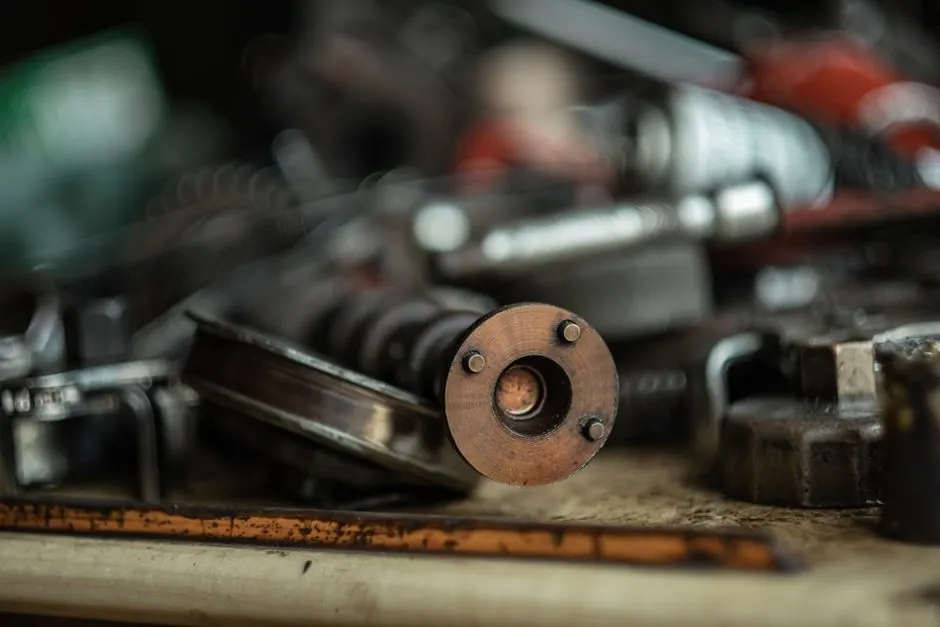
Detailed view of metal components in an automotive workshop. Focus on a cylindrical piece.
Licensed Licensed & Bonded
Fully Insured Insured & Bonded
24/7 Emergency Same-Day Response
Warranty Backed Workmanship Guaranteed

What Is Included in a Furnace Tune-Up

Our standard tune-up is a fixed-scope visit with a fixed price. Everything below is included in the $189 flat rate. If we find a failed part, we quote the repair before we touch it, and you decide whether to proceed. Nothing gets added to your bill without your yes.

Full 22-Point Inspection

We check every serviceable component: burners, heat exchanger, igniter, flame sensor, gas valve, blower motor, capacitor, limit switches, pressure switch, flue, and thermostat calibration. Each item gets a pass, adjust, or replace note on your written report.
Filter Replacement

We swap in a fresh furnace filter sized to your cabinet, usually a standard 16x25x1 or 20x25x1. If you have a media cabinet or a 4-inch filter, we stock those too. Dirty filters are the single biggest cause of airflow problems we see in Utah homes.

Combustion and CO Test

A flue gas analyzer measures carbon monoxide and CO2 in your exhaust stream. We compare readings against ASHRAE and manufacturer specs. Anything out of range gets documented and explained, and we will not leave a furnace running if CO is elevated.

Temperature Rise Verification

We measure return and supply air with a thermometer and confirm the rise falls in the manufacturer's range, usually 35 to 65 degrees. Out-of-range rise means the furnace is either starving for air or over-firing, and both shorten equipment life.

Written Report With Photos

You get a digital report showing every reading, every photo, and every recommendation. It follows your furnace for its life and is exactly what a home inspector or warranty adjuster wants to see. No vague verbal summary, no disappearing paperwork.

What a Furnace Tune-Up in Utah Actually Covers


A Furnace Tune-Up in Utah is a scheduled service visit that cleans, tests, and adjusts every component of your heating system before it has to work for its living. We pull the burners, brush the heat exchanger, check the igniter and flame sensor, verify gas pressure with a manometer, and confirm temperature rise with a thermometer. You get a written report showing what we found, what we fixed, and what to watch next season.

Utah winters swing hard. A furnace that ran fine in October can start short cycling by December once canyon winds hit and overnight lows drop into the teens. That is why we push an annual furnace tune up in Utah every fall, not just when something breaks. A $189 visit in September routinely saves $400 or more in emergency repairs in January, and it keeps your family warm on the nights you actually need it.

What to Expect From Our Tune-Up Visit

Every visit follows the same five-step sequence, whether you are in a Salt Lake condo or a ranch house outside Manti. Here is exactly how the appointment runs from the moment we knock.

01

Schedule

Call or book online — a real human picks up and confirms a 2-hour arrival window.

02

Diagnose

Licensed tech inspects on-site, then walks you through the cause and your options.

03

Fix

The job is completed to code and done right the first time — no shortcuts, no surprises.

04

Guarantee

Every job backed by a written workmanship warranty — and we stand behind it.

Tools and Standards We Bring to Every Tune-Up

Tools & Equipment

Combustion analyzer

Measures carbon monoxide and CO2 in the flue gas to verify safe, efficient combustion. Every tune-up includes a flue test, and readings outside spec get documented and addressed before we leave.

Manometer

Verifies gas manifold pressure and draft against the data plate spec. A furnace running 0.5 inches of water column off spec wastes gas and shortens heat exchanger life.

Clamp meter and multimeter

Tests capacitor microfarads, blower motor amp draw, and control board voltage. A failing run capacitor is the most common weak point we catch on older Utah furnaces.

Inspection camera

Scopes the heat exchanger for cracks, rust-through, and soot streaks that are invisible from the outside. This is the single most important safety check on any furnace over 10 years old.

Digital thermometer

Measures supply and return air temperature to confirm the temperature rise falls in the manufacturer range, typically 35 to 65 degrees. Out-of-range rise points to airflow or firing problems.

Vacuum gauge

Checks static pressure across the filter and blower to catch duct restrictions. High static pressure is common in older Utah homes with undersized returns.

Methods & Standards

NATE-certified diagnostic sequence

Every tech follows the same order: airflow first, then ignition, then combustion, then temperature rise. That sequence catches the root cause instead of chasing symptoms, and it is why our tune-up reports read the same whether you are in Manti or Smithfield.

International Mechanical Code (IMC) compliance

We verify flue sizing, combustion air, and clearances against IMC requirements on every visit. If your furnace was installed with a venting issue, we flag it and quote the correction so you are not carrying a code problem into a home sale.

ASHRAE airflow measurement standards

Static pressure and temperature rise readings are taken per ASHRAE methodology so the numbers are comparable year over year. That lets us track your furnace's health across multiple seasons instead of starting from scratch each visit.

EPA Section 608 refrigerant handling

For dual-fuel and heat pump systems, refrigerant checks follow EPA Section 608 rules. Our techs hold current certification, so any refrigerant-side work on your system is done legally and documented properly.

OSHA-compliant gas appliance safety

Gas leak checks, CO testing, and flue inspection follow OSHA safety protocols. We do not leave a furnace running if combustion readings are out of range, and we explain exactly why in the written report.

When Utah Homeowners Book a Furnace Tune-Up

01

You just bought a home in Layton or Pleasant Grove and do not know the furnace history.

What we do: We run a full tune-up plus a heat exchanger scope and combustion test, then give you a written baseline report. That report tells you exactly what you inherited and what to budget for over the next few years.

→ You start ownership with a documented furnace condition, not a guess, and you know whether the system has five years left or fifteen.

02

Your gas bill jumped last winter and you want to know why before this season starts.

What we do: We measure temperature rise, static pressure, and combustion efficiency, then compare against the manufacturer spec. Dirty burners, a clogged blower, or an over-firing gas valve all show up in the numbers.

→ Most customers see 8 to 15 percent lower heating costs after we correct what the readings show, and you get the numbers in writing.

03

Your furnace is 12 to 18 years old and you want to squeeze a few more seasons out of it.

What we do: An annual tune-up on an older furnace is the highest-return maintenance you can buy. We replace wear items like capacitors and igniters proactively, before they strand you on a cold night.

→ Older furnaces that get annual service routinely reach 18 to 22 years. Skipping service usually means replacement at 12 to 15.

04

You rent out a property in Roy or West Valley City and need documented maintenance.

What we do: We tune the furnace, test for CO, and provide a written report you can hand to tenants or keep in your records. Landlords book us every fall so the same unit gets the same inspection year after year.

→ You have proof of maintenance for liability purposes, and your tenants have a furnace that will not fail on a holiday weekend.

How Furnace Tune-Ups Run Across Utah

Utah heating season runs long and hard. Along the Wasatch Front, furnaces typically fire from late October through April, and in higher-elevation towns like Duck Creek Village and Torrey, the season stretches even further. That is 5,000 to 6,000 runtime hours a year on a system most homeowners never think about until it quits. Our tune-up routes are built around that reality. We start booking fall appointments in August, run heavy through October and November, and keep a repair crew on standby all winter for the calls that come in anyway. Building stock varies too. Older homes in Manti, Monroe, and Oak City often have undersized return ducts and 80 percent furnaces with original heat exchangers. Newer construction in Herriman and Pleasant Grove tends to have high-efficiency condensing units with PVC flues and condensate drains that freeze if they are not insulated. We tune both, and we know the failure patterns for each. If you are searching for an annual furnace tune up in Utah, book early. The first hard freeze fills our schedule within 48 hours.

Neighborhoods We Serve

  • Wasatch Front corridor

    Dense housing, quick route times, and a mix of 1990s and 2010s furnaces. We run daily tune-up routes from Layton down through Pleasant Grove and can usually schedule within the same week.

  • Cache Valley

    Colder overnight lows than the Salt Lake valley, so furnaces here run longer and harder. Smithfield and surrounding homes benefit from a slightly earlier fall tune-up, often by mid-September.

  • Southern Utah

    Hurricane and surrounding areas have shorter but sharper heating seasons. Furnaces sit idle for months, which means we check for dust buildup, insect nests, and pilot issues on the first fall visit.

  • Central Utah rural towns

    Manti, Monroe, and Fairview homes often run older 80 percent equipment with original ductwork. We stock common parts for these systems so most repairs are done on the first visit.

Local Conditions We Plan For

  • Canyon winds and rapid temperature swings

    Furnaces along the Wasatch Front cycle on and off more often during wind events, which stresses igniters and capacitors. A fall tune-up that replaces weak wear items prevents most of these mid-winter failures.

  • High-elevation cold snaps

    Towns above 6,000 feet see overnight lows that push furnaces to continuous runtime. We verify temperature rise and gas pressure at altitude, since factory settings sometimes need adjustment for elevation.

  • Dry air and dust

    Utah's low humidity means more airborne dust, which clogs filters and blower wheels faster than in humid states. We recommend a filter check every 60 to 90 days during heating season.

  • Hard water and condensate

    High-efficiency furnaces produce acidic condensate that can clog traps and corrode drains. We flush traps on every tune-up and check for proper neutralization on systems that require it.

Short Cycling Fixed in a 2006 Rheem

Before

A homeowner in Layton called us in November because the furnace was cycling every four minutes and the house never felt warm. The filter was six months past due, the blower wheel was caked with dust, and the high-limit switch was tripping on every cycle.

After

We replaced the filter, pulled and cleaned the blower wheel, and verified the temperature rise was back in the 40 to 50 degree range. Cycle time went from four minutes to twelve, and the homeowner reported the house held temperature through the night for the first time in two seasons.

Maintenance: We set them up on a filter reminder every 90 days and booked the next fall tune-up. A clean blower and a fresh filter are the two cheapest things you can do for cycle time.

Before

A family in Bountiful booked a routine fall tune-up on a 2004 Carrier. The furnace was heating fine and they had no complaints. Our inspection camera found a hairline crack in the heat exchanger near the burner face, and the combustion analyzer showed elevated CO in the flue.

After

We red-tagged the furnace, explained the CO risk, and quoted a replacement. The new 96 percent condensing unit was installed that week. Post-install combustion readings came back clean, and the family avoided a serious safety issue heading into winter.

Maintenance: Annual combustion testing and a heat exchanger scope are the two checks that catch this. A furnace can heat perfectly and still be unsafe, which is why we never skip the safety side of a tune-up.

Before

A Herriman homeowner with a 2012 Trane wanted to know why their January gas bill hit $240. The furnace had never been serviced. Burners were sooted, the flame sensor was coated, and the manifold pressure was running 0.4 inches of water column high.

After

We cleaned the burners, replaced the flame sensor, and adjusted gas pressure to the data plate spec. Temperature rise came down into range, and the following January gas bill landed at $206, a 14 percent drop that paid for the tune-up twice over.

Maintenance: We put them on an annual fall tune-up and a 90-day filter schedule. Burner cleaning and gas pressure verification are the two biggest efficiency levers on any gas furnace.

Heating Problems a Tune-Up Prevents or Fixes

Most of the no-heat calls we run in January started as a small issue in October. Here are the problems our tune-up visits catch before they turn into a cold night and an emergency invoice.

Problem

Furnace blowing cold air instead of heat

Usually a failed igniter, a stuck gas valve, or a flame sensor that needs cleaning. Left alone, the furnace runs the blower without producing heat, wasting electricity and leaving the house cold.

Our Fix

We test the igniter and flame sensor, verify gas pressure at the manifold with a manometer, and confirm the burners light on every call for heat. If the gas valve is failing, we quote the replacement on the spot and usually have the part on the truck.

Problem

Furnace short cycling on and off every few minutes

Short cycling wears out the blower motor, the igniter, and the heat exchanger faster than normal runtime. It also drives up gas use because the furnace never reaches steady-state efficiency.

Our Fix

We check the filter, the blower wheel, the high-limit switch, and the thermostat anticipation setting. In most Utah homes the fix is a dirty filter or a clogged blower wheel. We clean, replace, and verify the cycle time is back in range before we leave.

Problem

Furnace making banging noise on startup

A bang at ignition usually means delayed gas ignition, which puts stress on the heat exchanger and the flue. Ignored, it can crack the exchanger and turn a $200 repair into a $4,000 replacement.

Our Fix

We pull the burners, clean the orifices, and test the igniter timing. If the gas valve is slow to open, we replace it. After service, the ignition is a soft whoosh, not a bang, and we confirm it on three consecutive cycles.

Problem

Furnace leaking water around the base

On high-efficiency condensing furnaces, a clogged condensate trap or a frozen drain line causes water to pool around the cabinet. That water rusts the cabinet and can short out the control board.

Our Fix

We flush the condensate trap, check the drain slope, and insulate exposed drain lines in cold attics or crawl spaces. If the secondary heat exchanger is the source, we scope it and quote the repair honestly.

Problem

Furnace blower not working or running weak

Weak airflow leaves rooms cold, trips the high-limit switch, and forces the furnace to run longer. A dead blower means no heat at all, even if the burners are lighting fine.

Our Fix

We test the capacitor with a clamp meter, inspect the blower motor windings, and clean the blower wheel. A failed run capacitor is the most common cause we find, and it is a same-visit fix on most calls.

Why Utah Homeowners Book a Fall Tune-Up

Why Utah Homeowners Book a Fall Tune-Up

A tuned furnace uses less gas, starts faster, and lasts longer. Here is what our customers notice within the first cold snap after service.

  • Lower Winter Gas Bills

    A dirty burner and a clogged filter force your furnace to run longer to hit the same temperature. After a proper tune-up, most Utah homes see 8 to 15 percent lower heating costs. On a $180 monthly gas bill, that is $15 to $27 back in your pocket every month from November through March.

  • Fewer Mid-Winter Breakdowns

    Most no-heat calls we run in January trace back to a part that was already failing in October. A furnace inspection and tune up in Utah catches weak capacitors, worn igniters, and cracked thermocouples before they strand you at 6 a.m. on a 12-degree morning.

  • Safer Combustion, Every Cycle

    We test for carbon monoxide with a combustion analyzer and inspect the heat exchanger for cracks. A cracked exchanger can leak CO into your living space, and it is the single most common reason we red-tag a furnace. Catching it during a tune-up is far cheaper than catching it in the hospital.

  • Longer Equipment Life

    A furnace that gets annual service in Utah averages 18 to 22 years of life. One that gets ignored averages 12 to 15. That gap is worth $4,000 or more in avoided replacement cost, and it means you keep the system you already paid for running well past its warranty window.

Furnace Tune-Up Cost in Utah

Our standard furnace tune up cost in Utah is a flat $189 for a single-stage gas furnace, and $229 to $249 for high-efficiency condensing or dual-fuel systems that take longer to test. That price covers the full 22-point inspection, filter, combustion test, and written report. Repairs found during the visit are quoted separately, and you approve them before we start. No hourly meter, no surprise line items, no after-hours premium on scheduled visits.

Typical Investment Range

$189 - $249 flat for a standard tune-up; $300 - $600 if repairs are added

A $189 tune-up routinely prevents a $400 to $800 mid-winter repair and shaves 8 to 15 percent off your heating bill. Over the life of a furnace, that is thousands of dollars in avoided cost and several extra years of service.

What changes the price

01

Furnace type and efficiency

A standard 80 percent single-stage furnace takes about 75 minutes to tune. A 90-plus percent condensing unit adds a second heat exchanger, condensate trap, and PVC vent inspection, which pushes the visit to about two hours and the price up $40 to $60.

02

System age and condition

A furnace that has never been serviced takes longer to clean and often needs a filter, a flame sensor, or a capacitor replaced during the visit. Those parts are quoted separately, usually $25 to $120 depending on the component.

03

Number of systems

Homes with two furnaces, common in larger Herriman and Pleasant Grove builds, get a multi-system discount. The second unit typically runs $149 instead of $189 because travel and setup are already covered.

04

Access and location

A furnace in a finished basement or a tight attic closet takes longer to access and service than one in an open utility room. We note access conditions when you book so the quote is accurate before we arrive.

05

Add-on services

Duct inspection, thermostat replacement, or a full furnace cleaning can be added to the visit. Each add-on is priced upfront and takes 20 to 45 minutes. Bundling them with a tune-up is cheaper than booking separate appointments.

06

Maintenance plan membership

Members on our annual furnace maintenance plan Utah pricing get the tune-up bundled with a spring safety check and 15 percent off any repairs. The plan pays for itself the first time you need a repair during heating season.

Licensed, Certified, and Reviewed

Licensed & Certified

  • NATE Certification — issued by North American Technician Excellence
  • EPA Section 608 Certification — issued by U.S. Environmental Protection Agency
  • Utah HVAC License — issued by Utah Division of Occupational and Professional Licensing
  • OSHA Safety Training — issued by Occupational Safety and Health Administration
  • IMC Compliance — issued by International Code Council

Verified Reviews

Google ★★★★★4.9

Booked a fall tune-up on short notice and the tech showed up right in the window. He walked me through every reading on the report, showed me the heat exchanger on camera, and did not try to upsell anything I did not need. Furnace has run great all winter.

Yelp ★★★★★4.8

Called about a furnace making banging noise and they got me in the next day. Turned out to be delayed ignition and a dirty burner. Cleaned it, replaced the igniter, and the noise is gone. Fair price and clear explanation of what caused it.

BBB ★★★★★4.9

We use them for tune-ups on two rental properties in Roy. Same tech both times, same written report format, no surprises on the invoice. Exactly what you want from a maintenance provider when you are managing properties from out of town.

Google ★★★★★5.0

Our gas bill dropped about $25 a month after the tune-up. The tech cleaned the blower wheel, adjusted the burners, and replaced a weak capacitor on the spot. He explained everything in plain language and did not rush the visit. Booking again next fall.

Utah Techs Who Know Furnace Systems Cold

Our technicians carry NATE certification and work under a Utah HVAC license, and every one of them has logged hundreds of tune-ups across the Wasatch Front, the Uinta Basin, and southern Utah. We service Carrier, Trane, Lennox, Goodman, Rheem, York, Bryant, and American Standard equipment, from 80 percent single-stage units to modern variable-speed condensing furnaces. We follow International Mechanical Code (IMC) and ASHRAE standards on every combustion and airflow measurement, and we keep EPA Section 608 credentials current for refrigerant work on heat pump and dual-fuel systems. That means the person at your door knows your equipment, not just the general category.

  • NATE-certified technicians with hands-on training on every major residential furnace brand.
  • EPA Section 608 certified for refrigerant handling on heat pump and dual-fuel systems.
  • Utah HVAC license held by the company and every lead technician on our crew.
  • OSHA safety trained for gas appliance work, including CO testing and flue inspection.
  • Combustion analyzer and inspection camera on every truck, not just the supervisor's.
Get Started Today
Utah Techs Who Know Furnace Systems Cold

Cities We Serve for Furnace Tune-Up in Utah

We run furnace maintenance Utah routes across the entire state, from the northern Cache Valley down through the Wasatch Front and into southern Utah. Every city below gets the same flat-rate tune-up, the same 22-point inspection, and the same written report. If your town is on this list, we can get a NATE-certified tech to your door this season.

Aurora

Aurora sits in the Sevier Valley where winter nights drop fast. We tune furnaces here in early fall so homeowners are not caught by the first hard freeze in a rural service area.

Bountiful

Bountiful's mix of older homes and canyon winds means furnaces work hard. We run regular tune-up routes along the bench and stock common parts for 1990s and 2000s equipment.

Cisco

Cisco is remote high-desert country with sharp temperature swings. We schedule tune-ups here in grouped routes so travel time does not add to your bill.

Duck Creek Village

At over 8,000 feet, Duck Creek Village has one of the longest heating seasons in Utah. We tune furnaces here by early September and check altitude-specific gas pressure settings.

Fairview

Fairview homes often run older 80 percent furnaces with original ductwork. Our tune-up includes a heat exchanger scope and static pressure check that catches problems early.

Garrison

Garrison is a small high-desert community near the Nevada line. We cover it on our western Utah route and tune furnaces before the cold snaps hit in November.

Herriman

Herriman's newer construction means lots of high-efficiency condensing furnaces. We check condensate traps and PVC venting on every tune-up here, since those are the common failure points.

Hurricane

Hurricane has a shorter heating season but sharp cold snaps. Furnaces sit idle for months, so we check for dust buildup and pilot issues on the first fall visit.

Layton

Layton is a core Wasatch Front route for us. We tune furnaces daily here in fall and can usually schedule within the same week, even during the October rush.

Manti

Manti's older housing stock means many furnaces are past 15 years old. Our tune-up focuses on heat exchanger safety and proactive replacement of wear items.

Monroe

Monroe sits in central Utah with cold valley nights. We tune furnaces here in grouped routes and stock common igniters and capacitors for older equipment.

Oak City

Oak City is a small Millard County community. We cover it on our central Utah route and provide the same flat-rate tune-up and written report as any metro address.

Pleasant Grove

Pleasant Grove has a mix of older and newer homes, so we see both 80 percent and condensing furnaces. Our tune-up adapts to whichever system you have.

Roy

Roy is a regular stop on our northern Wasatch route. We tune furnaces here throughout fall and offer priority scheduling to maintenance plan members.

Smithfield

Smithfield sits in Cache Valley where overnight lows run colder than the Salt Lake valley. We recommend booking a tune-up here by mid-September to beat the first freeze.

Furnace Tune-Up Questions Utah Homeowners Ask

Real answers to the questions we hear most often from local homeowners and property managers.

How much does a furnace tune up cost in Utah?
Most tune-ups in Utah run $150 to $250 in 2026, with our flat rate at $189. That covers a full 22-point inspection, burner cleaning, filter swap, combustion test, and written report. Repairs found during the visit are quoted separately, and high-efficiency or dual-fuel systems can run $30 to $60 more because they take longer to test.
How often should I get a furnace tune up in Utah?
Once a year, ideally in early fall before the first freeze. Utah furnaces work hard from November through March, and a 12-month gap is the longest you want between inspections. If you have pets, a dusty home, or a system over 10 years old, we sometimes recommend a spring filter check as a bonus touchpoint.
What is included in a furnace tune up in Utah?
Our tune-up includes filter replacement, blower cleaning, burner and heat exchanger inspection, igniter and flame sensor testing, gas pressure verification with a manometer, temperature rise measurement, and a combustion analyzer CO test on the flue. You also get a written report with photos and any flagged repairs explained in plain language.
Do I need a furnace tune up before winter in Utah?
Yes, and September or October is the right window. Booking before the first hard freeze means we catch worn igniters, weak capacitors, and cracked heat exchangers while parts are still in stock and scheduling is open. Wait until December and you are competing with every no-heat emergency in the state.

Other Heating Services We Handle

Furnace Repair

When a tune-up turns up a failed igniter, gas valve, or blower motor, we repair it on the same visit whenever the part is on the truck. Most common repairs are done in under two hours, and every fix carries a one-year parts and labor warranty.

View Furnace Repair

Furnace Installation

If your furnace is past 20 years old and the tune-up report shows multiple failing components, replacement often beats another round of repairs. We size new equipment to your home's actual heat load, not a rule of thumb, and we pull the Utah permit.

View Furnace Installation

Furnace Replacement

Full system swaps include removal, new flue and gas connections, thermostat setup, and a combustion test on startup. We haul the old unit away and walk you through the new warranty paperwork before we leave. Typical install is one long day.

View Furnace Replacement

Emergency Furnace Repair

No heat at 2 a.m. in January is a real emergency in Utah. We run 24/7 dispatch all winter and stock the most common failure parts, so most emergency calls are resolved on the first visit. Call and a live dispatcher picks up.

View Emergency Furnace Repair

Furnace Cleaning

Deep cleaning goes further than a standard tune-up: full cabinet vacuum, blower wheel soak, duct-side inspection, and burner disassembly. It is the right call for homes with pets, recent remodeling dust, or a furnace that has not been opened in five or more years.

View Furnace Cleaning

Furnace Maintenance

Our annual maintenance plan bundles a fall tune-up, a spring safety check, priority scheduling, and 15 percent off any repairs. Members get first slots during the November rush and never pay an after-hours premium on a no-heat call.

View Furnace Maintenance

Book Your Furnace Tune-Up in Utah This Week

Fall slots fill fast once the first freeze hits the forecast. Call now and we will get a NATE-certified tech to your door, run the full inspection, and leave you with a written report and a furnace ready for January. Flat $189, no surprises.

Call Now Book My Tune-Up

Get in Touch With Our Team

Call us at (866) 961-2544 any time, day or night. Our dispatch line is staffed 24/7 for emergency no-heat calls, and standard appointments run Monday through Friday, 8 a.m. to 6 p.m. We serve every corner of Utah, from the Wasatch Front to the rural counties. Book online or by phone and we'll confirm your window fast.

Furnace Pros Utah


  • Address

    Utah

  • Hours

    Mon–Fri: 7AM – 7PM
    Sat: 8AM – 4PM
    Sun: Emergency Only
    24/7 Emergency Available

Call (866) 961-2544 Get Quote
Call Quote