
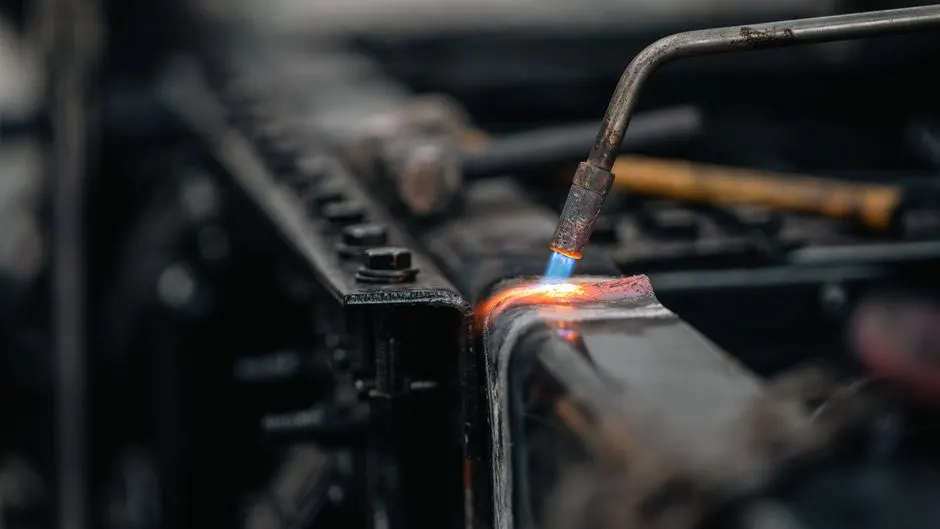
Full System Diagnostic
We test ignition, gas pressure, flame signal, blower amp draw, and temperature rise with a multimeter, manometer, and combustion analyzer. You get the actual failure, not a guess, plus a written summary of what we found.
Every repair call covers the full diagnostic and the fix, not just a quick look. Here is what comes standard, and what we quote separately if your system needs it.
We test ignition, gas pressure, flame signal, blower amp draw, and temperature rise with a multimeter, manometer, and combustion analyzer. You get the actual failure, not a guess, plus a written summary of what we found.
Igniters, flame sensors, thermocouples, capacitors, gas valves, and blower motors are common failures we carry and replace on the spot. Parts are billed at flat rates with no markup surprises.
We check the heat exchanger for cracks, test for carbon monoxide, and verify the flue is drafting correctly. A furnace that runs but leaks CO is a hazard, and we will not leave one running.
A clogged furnace filter is one of the most common causes of overheating and short cycling. We check it, replace it if needed, and show you the right size and MERV rating for your system.
Before we leave, we run the furnace through a complete cycle and confirm it holds temperature. If something is still off, we keep working. You do not pay until the heat is actually back.
Furnace Repair in Utah is the diagnostic and mechanical work that finds why a heating system stopped producing heat and restores it to safe, code-correct operation. That means testing the igniter, flame sensor, gas valve, blower motor, and heat exchanger, then repairing or replacing the failed part. We use a multimeter, manometer, and combustion analyzer on every call, so the fix is based on readings, not guesses.
Utah homes run their furnaces hard from October through April, and that long heating season wears parts out faster than most homeowners expect. We see furnace blowing cold air in Salt Lake City basements, short cycling in canyon homes, and pilot light failures in older Fillmore houses. If your furnace not heating, repair Utah homeowners can count on starts with a real diagnosis, not a sales pitch for a new system.
No mystery, no runaround. Here is exactly what happens from the moment you call until your heat is back on.
Schedule
Call or book online — a real human picks up and confirms a 2-hour arrival window.
Diagnose
Licensed tech inspects on-site, then walks you through the cause and your options.
Fix
The job is completed to code and done right the first time — no shortcuts, no surprises.
Guarantee
Every job backed by a written workmanship warranty — and we stand behind it.
Combustion Analyzer
Measures flue gas oxygen, carbon monoxide, and temperature to confirm the furnace is burning safely and efficiently. Every gas repair call gets one.
Multimeter and Clamp Meter
Tests igniter resistance, flame signal, control board voltage, and blower amp draw. These readings tell us exactly which component failed.
Manometer
Checks gas inlet and manifold pressure against the manufacturer's spec. Wrong pressure causes delayed ignition, sooting, and short cycling.
Inspection Camera
Lets us look inside the heat exchanger and flue without disassembly, so we can spot cracks and blockages that are invisible from the outside.
Vacuum Gauge
Verifies static pressure and airflow through the ductwork. High static pressure is a hidden cause of overheating and blower failure.
Thermometer and Flue Gas Analyzer
Measures temperature rise across the heat exchanger and confirms the flue is drafting properly. Both are part of our standard safety check.
NATE-Certified Diagnostics
Our technicians hold NATE certification, which means they have passed industry testing on heating system diagnosis and repair. We follow a structured troubleshooting sequence instead of swapping parts until something works.
International Mechanical Code Compliance
Every repair and installation follows the International Mechanical Code, including clearances, venting, and combustion air requirements. That keeps your system legal, insurable, and safe.
ASHRAE Standards
We size airflow and verify temperature rise against ASHRAE standards, so your furnace runs in its designed range. That protects the heat exchanger and keeps efficiency where it should be.
EPA Section 608 Practices
Our techs hold EPA Section 608 credentials, which govern refrigerant handling on heat pump and hybrid systems. It matters when your heating system shares components with an AC.
OSHA Safety Protocols
Gas, CO, and electrical work all carry real risk. We follow OSHA safety protocols on every job, from lockout procedures to combustion air testing, so the repair is safe for you and for us.
01
What we do: We treat no-heat calls as priority and dispatch the nearest technician, often within hours. We diagnose on arrival, quote the fix, and get the burner running the same visit whenever the part is on the truck.
→ Most customers have heat back the same day, with a clear explanation of what failed and what to watch for next season.
02
What we do: A sudden efficiency drop usually points to a dirty flame sensor, a failing blower motor, or a duct leak. We test the whole system and find where the money is going.
→ You get the failing part replaced and a tune-up that brings the system back to its rated efficiency, often cutting the bill back within a month.
03
What we do: We walk you through the math honestly, including expected remaining life and efficiency gains from a modern high-efficiency unit. If replacement makes more sense, we quote it. If repair does, we repair it.
→ You make the call with real numbers instead of pressure, and you are not throwing money at a furnace that will fail again next winter.
04
What we do: Shut the furnace off, open windows, and leave the house, then call us. We treat gas and CO calls as emergencies and dispatch immediately with a combustion analyzer and leak detection tools.
→ We find and fix the source, verify safe operation with instruments, and will not leave a furnace running until it tests clean.
Utah's heating season runs long, and the conditions change fast with elevation. A furnace in Salt Lake City at 4,300 feet operates differently than one in Panguitch at 6,600, where thinner air affects combustion and requires a technician who knows how to adjust for it. Most of the housing stock along the Wasatch Front was built between the 1950s and the 2000s, so we see a lot of older gas furnaces with original heat exchangers alongside newer high-efficiency condensing units. Both need different diagnostic approaches. Winter inversions along the Wasatch Front trap cold air and push furnaces to run longer cycles, which accelerates wear on igniters and blower motors. In rural areas like Castle Dale or Randolph, propane and electric furnaces are more common, and parts availability can slow a repair if we do not carry the right components. We stock for that. If you need emergency furnace repair Utah homeowners can count on in January, we route the closest tech and keep you updated on arrival time.
Sugar House, Salt Lake City
Older bungalows here often have original 1960s furnaces with undersized returns. We check duct sizing as part of every repair call in this area.
The Avenues, Salt Lake City
Steep streets and older homes mean tight mechanical closets. We bring compact tools and plan for limited clearance when we service furnaces here.
Cache Valley, Logan
Cold valley inversions push furnaces hard from November through March. We see more igniter and flame sensor failures here than anywhere else in the state.
Historic District, Springville
Many homes here have been retrofitted with modern furnaces in old chases. We verify venting and combustion air on every call to keep those retrofits safe.
High-elevation combustion adjustment
Above 5,000 feet, furnaces need derating and gas pressure adjustment to burn cleanly. We carry the manometer and combustion analyzer to set it right on every high-country call.
Long heating season from October to April
Six months of continuous runtime wears parts faster than the national average. We recommend a fall tune-up and a mid-season filter change to stay ahead of failures.
Winter inversions along the Wasatch Front
Trapped cold air keeps furnaces running longer cycles and can pull flue gases back into the home if venting is compromised. We check draft on every repair.
Rural propane and electric furnace use
Outside the gas grid, propane and electric furnaces dominate. We stock the specific igniters, elements, and sequencers those systems use so repairs stay same-day.
Most no-heat calls trace back to one of a handful of failures. Here is what we see most often and how we handle it.
Problem
The blower runs but the burner never lights, so you burn electricity and get nothing. Left alone, the constant cold-air cycling strains the blower motor and shortens its life.
Our Fix
We test the igniter, flame sensor, and gas valve to find where the ignition sequence breaks. Usually it is a failed igniter or a dirty flame sensor, both of which we replace on the spot with parts from the truck.
Problem
Short cycling wears out the igniter, control board, and blower motor fast, and it never lets the house reach temperature. It also spikes your gas bill for no benefit.
Our Fix
We check airflow first, since a clogged filter or blocked duct is the usual culprit. If airflow is fine, we test the high-limit switch, flame sensor, and thermostat. Most short cycling fixes are straightforward and same-day.
Problem
A banging noise often means delayed ignition, where gas builds up before it lights. That is a safety concern, not just an annoyance, and it can damage the heat exchanger over time.
Our Fix
We inspect the burners, gas pressure, and ignition timing with a combustion analyzer. Delayed ignition usually traces to dirty burners or a weak igniter, and we clean or replace as needed to make it quiet and safe.
Problem
On a high-efficiency condensing furnace, a clogged condensate drain or frozen line causes water to pool. That water rusts the cabinet and can damage the floor and nearby equipment.
Our Fix
We clear the condensate trap and drain line, check the secondary heat exchanger, and verify the line is pitched correctly. In cold Utah attics, we also check for freeze protection on the drain.
Problem
No blower means no heat reaches the rooms, even if the burner fires. The furnace overheats and shuts down on the limit switch, and repeated cycles can crack the heat exchanger.
Our Fix
We test the capacitor, blower motor, and control board with a clamp meter to isolate the fault. Capacitors are a cheap, common fix, and we carry them on the truck for same-day repair.
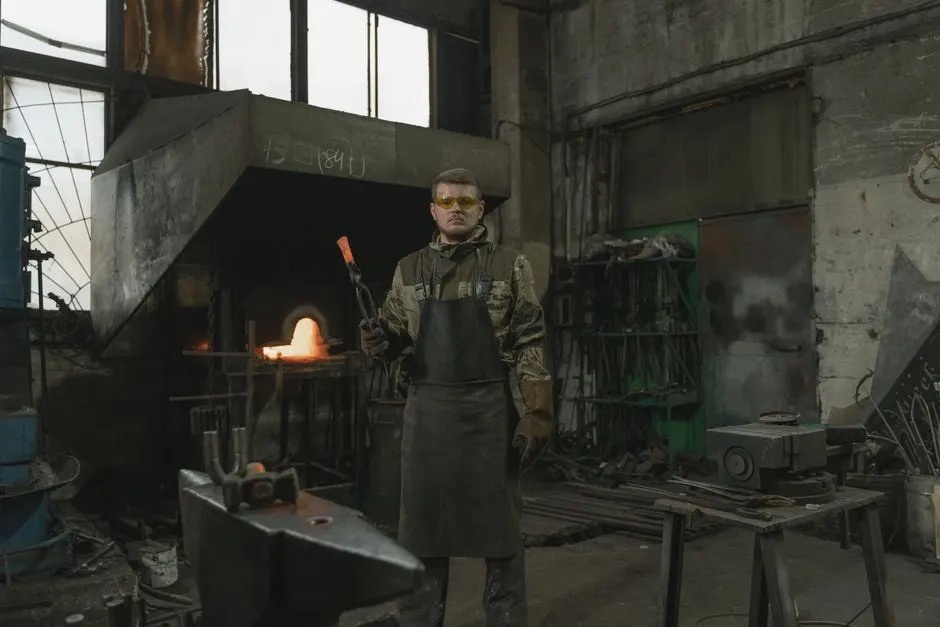
A failed furnace is not a wait-until-Monday problem when it is 18 degrees outside. Here is what you get when you call us for heater repair in Utah.
Same-Day Heat Restored
Most calls placed before noon get a technician the same day, and we carry common parts like igniters, thermocouples, and flame sensors on the truck. That means fewer return trips and a warm house tonight instead of next week.
Upfront, Honest Pricing
You get the diagnosis and a flat price before we start turning wrenches. Typical 2026 repairs in Utah run $180 to $650 depending on the part, and we tell you when a repair no longer makes financial sense.
All Brands, All Fuel Types
We service Carrier, Trane, Lennox, Goodman, Rheem, York, Bryant, and American Standard, plus gas and electric furnaces. High-efficiency condensing units get the same attention as a 20-year-old builder-grade system.
Code-Correct Repairs
Every repair follows the International Mechanical Code and ASHRAE standards, and our techs hold NATE certification and EPA Section 608 credentials. You get a furnace that passes inspection and runs safely for your family.
Furnace repair pricing in Utah depends on the failed part, the system age, and whether the call is after hours. Typical 2026 repairs run $180 to $650, with the diagnostic included in the repair price. Simple fixes like an igniter or flame sensor sit at the low end, while a blower motor or gas valve replacement lands higher. Emergency and weekend calls add a premium. We quote the exact price before we start, so there is no surprise on the invoice. If a repair costs more than half the price of a new furnace, we will tell you and walk through replacement options.
Typical Investment Range
$180 - $650 for most repairs, with emergency calls running higher
You pay for a real diagnosis and a fix that lasts, not a patch that fails next month. Our workmanship warranty backs every repair, and we tell you honestly when replacement is the better call.
What changes the price
Failed Part Cost
An igniter runs $30 to $80 in parts, while a blower motor or gas valve can run $200 to $500. We bill parts at flat rates and show you the breakdown before we order or install anything.
System Age and Brand
Older furnaces and less common brands can be harder to source parts for, which adds time and cost. Carrier, Trane, Lennox, and Goodman parts are usually the easiest to get same-day.
After-Hours and Emergency Calls
Nights, weekends, and holidays carry an emergency premium because we pay technicians to be on call. If you can wait until morning, a standard appointment saves you money.
Access and Location
A furnace in a tight closet, attic, or crawlspace takes longer to service than one in an open basement. Rural addresses add drive time, which we factor into the quote upfront.
Repair vs. Replace Threshold
If the repair cost approaches half the price of a new furnace, replacement usually makes more financial sense. We run the numbers with you and let you decide, with no pressure either way.
Google ★★★★★4.9
Called at 8 a.m. with no heat, tech was here by 11. Found a bad flame sensor, replaced it, and the furnace fired right up. Price was fair and he explained everything. Will use again.
Yelp ★★★★★4.8
These guys know furnaces. Diagnosed a short cycling issue two other companies missed, fixed it for under $300, and my gas bill dropped the next month. Honest and fast.
BBB ★★★★★4.9
Professional from the first call to the final test. They quoted upfront, showed up on time, and cleaned up after themselves. The workmanship warranty gave me confidence in the repair.
Google ★★★★★5.0
Emergency call on a Sunday night in January. Tech arrived in two hours, had the part on his truck, and we had heat before midnight. Cannot recommend them enough.
We deliver furnace repair services Utah wide, from the Wasatch Front to the rural communities where the nearest HVAC shop is an hour away. Our regional dispatch keeps drive times short and gets a technician to your door fast, whether you are in a Salt Lake City high-rise or a farmhouse outside Fillmore.
Alpine homes sit at the mouth of American Fork Canyon, where cold air drains down at night. We service furnaces here with an eye on high-altitude combustion settings and oversized systems that short cycle.
Bicknell's cold winters and rural location mean furnace failures can leave you waiting days for a repair. We route technicians through Wayne County regularly and stock the parts older propane furnaces need.
Castle Dale homes often run propane furnaces, which need different igniters and gas pressure settings than natural gas. We carry those parts and know the local fuel setup.
Croydon sits in Morgan County's cold pocket, where furnaces run hard from October through April. We handle igniter, flame sensor, and blower repairs here with same-day scheduling when possible.
Eden's valley location traps cold air and pushes furnaces to long run cycles. We check airflow and temperature rise on every call to make sure the system is not overheating.
Fillmore has a mix of older homes with original furnaces and newer builds with high-efficiency units. We service both, and we check venting carefully on the older systems.
Gunnison's Sanpete County location means cold winters and rural drive times. We schedule regional routes through the area and stock common parts so repairs finish in one visit.
Honeyville furnaces deal with Box Elder County's cold snaps and inversions. We test draft and combustion on every repair to keep flue gases venting properly.
Kanosh is a small Millard County town where furnace repair options are limited. We make the drive and bring the parts, so you are not waiting a week for a simple fix.
Logan's Cache Valley inversions push furnaces hard all winter. We see more igniter and flame sensor failures here than anywhere else, and we stock both on the truck.
Midvale's older housing stock includes many 1960s and 1970s furnaces with original heat exchangers. We inspect those carefully for cracks and CO risk on every call.
Mount Pleasant sits at higher elevation, where furnaces need derating and gas pressure adjustment. We carry the manometer and combustion analyzer to set it right.
Panguitch winters are long and cold, and furnaces here work overtime. We service gas, propane, and electric systems and keep common parts stocked for same-day repair.
Randolph is remote Rich County ranch country, where a failed furnace is a real problem. We route technicians through the area and prioritize no-heat calls.
Salt Lake City's mix of historic homes and modern high-rises means every furnace call is different. We handle tight mechanical closets, older venting, and high-efficiency condensing units alike.
Real answers to the questions we hear most often from local homeowners and property managers.
When a repair will not hold, we size and install a new furnace to match your Utah home's square footage and ductwork. Proper sizing prevents the short cycling that kills equipment early.
View Furnace InstallationA furnace past 15 years old often costs more to keep than to replace. We haul out the old unit, dispose of it, and set a new one, usually in a single day.
View Furnace ReplacementNo heat at 2 a.m. counts as an emergency. We run 24/7 dispatch across Utah for failed furnaces, with priority given to homes with infants, elderly residents, or medical needs.
View Emergency Furnace RepairA deep cleaning clears dust, debris, and buildup from the burners, blower, and flue. It restores airflow and cuts the strain on your blower motor. We recommend it every two to three years.
View Furnace CleaningA seasonal tune-up checks gas pressure, flame signal, and temperature rise, then cleans and adjusts what needs it. Book one each fall before the first hard freeze hits.
View Furnace Tune-UpOngoing maintenance keeps your warranty valid and catches small problems before they strand you in January. We track your service history so nothing gets missed.
View Furnace MaintenanceCall us at (866) 961-2544 any time, day or night. Our dispatch line is staffed 24/7 for emergency no-heat calls, and standard appointments run Monday through Friday, 8 a.m. to 6 p.m. We serve every corner of Utah, from the Wasatch Front to the rural counties. Book online or by phone and we'll confirm your window fast.
Phone
(866) 961-2544Address
Utah
Hours
Mon–Fri: 7AM – 7PM
Sat: 8AM – 4PM
Sun: Emergency Only
24/7 Emergency Available