
Full diagnostic and fault codes
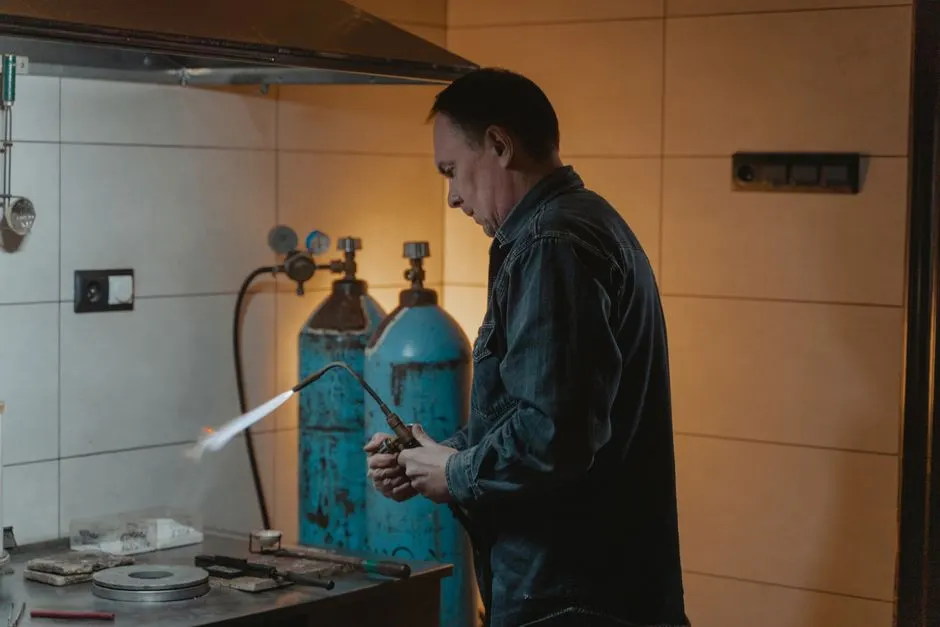
We pull stored fault codes, then test the igniter, flame sensor, thermocouple, and gas valve with a multimeter and manometer. This is how we find the root cause instead of guessing at parts.
Every repair visit covers a full diagnostic, the fix itself, and a safety verification before we leave. Here is what is standard on the job and what we handle as an add-on when your system needs it.
We pull stored fault codes, then test the igniter, flame sensor, thermocouple, and gas valve with a multimeter and manometer. This is how we find the root cause instead of guessing at parts.
A flue gas analyzer confirms your furnace is burning clean and venting properly. We check for carbon monoxide and verify the flue is drafting, which is the safety step too many shops skip.
An inspection camera lets us look inside the heat exchanger for cracks and corrosion. A cracked exchanger is a carbon monoxide risk and usually means replacement, not repair.
We replace the failed component, whether that is an igniter, blower motor, capacitor, gas valve, or control board, then run a full heat cycle and check temperature rise against spec.
Clogged furnace filters and closed registers cause overheating and short cycling. We check airflow and tell you what filter size and change interval your system actually needs.
We show you the failed part, explain what caused it, and lay out any maintenance that prevents a repeat. You leave the visit knowing your system, not just the invoice.
Gas Furnace Repair in Utah is the diagnostic and mechanical work that restores a failed or underperforming gas heating system to safe, code-correct operation. That means pulling the fault codes, testing the igniter and flame sensor with a multimeter, checking gas pressure at the valve with a manometer, and confirming the heat exchanger is sound before we ever call the job done. We verify combustion with a flue gas analyzer so your family is not breathing carbon monoxide all winter.
Utah homes run their furnaces hard from October through April, and that long, cold stretch wears out igniters, thermocouples, and blower motors faster than most homeowners expect. In the Wasatch Front inversion months, a furnace short cycling or blowing cold air is often a flame sensor issue, not a dead unit. If you are searching for gas furnace repair near me Utah and want a straight answer on what is wrong, we diagnose first and quote the fix before we touch a wrench.
No mystery, no runaround. Here is exactly what happens from the moment you call until the heat is back on and verified.
Schedule
Call or book online — a real human picks up and confirms a 2-hour arrival window.
Diagnose
Licensed tech inspects on-site, then walks you through the cause and your options.
Fix
The job is completed to code and done right the first time — no shortcuts, no surprises.
Guarantee
Every job backed by a written workmanship warranty — and we stand behind it.
Manometer
Measures gas pressure at the valve and static pressure in the ductwork, so we set the furnace to manufacturer spec instead of eyeballing it.
Multimeter and clamp meter
Tests igniters, flame sensors, thermocouples, and capacitors for continuity and voltage, and checks amp draw on blower motors to catch failing bearings early.
Combustion analyzer
Reads flue gas oxygen, carbon monoxide, and temperature to confirm the furnace is burning clean and venting safely after every repair.
Inspection camera
Lets us look inside the heat exchanger and flue for cracks, corrosion, and blockages without tearing the unit apart.
Vacuum gauge
Verifies gas line pressure and confirms there is no restriction starving the burners, a common cause of weak or delayed ignition.
Thermometer and flue gas analyzer
We measure supply and return air temperatures to calculate temperature rise and confirm the furnace is delivering its rated heat output.
NATE-certified diagnostics
Our techs follow NATE testing protocols, which means a structured diagnostic sequence rather than parts-swapping. That is how we find the real failure on the first visit and avoid charging you for a component that was never the problem.
International Mechanical Code compliance
Every repair and venting change is done to International Mechanical Code and ASHRAE standards. That keeps your system legal, insurable, and safe, and it protects your manufacturer warranty on newer equipment.
EPA Section 608 handling
Our techs hold EPA Section 608 credentials, so gas and combustion work is handled to federal and state standards. It also means we can service the full system, not just the mechanical parts.
Combustion verification on every job
We do not call a job done until a flue gas analyzer confirms safe combustion and the temperature rise matches spec. That final test is what separates a repair from a guess.
01
What we do: We dispatch emergency service 24/7 with parts on the truck. The tech diagnoses the failure, replaces the component if it is stocked, and gets the burners lit the same night whenever possible.
→ Heat restored overnight, pipes protected, and no wait until morning for a callback.
02
What we do: We check temperature rise, static pressure, and duct airflow. Often the fix is a blower motor, a clogged filter, or a gas pressure adjustment that brings the unit back to rated output.
→ The furnace hits setpoint again and the gas bill stops climbing from a unit running flat out.
03
What we do: Leave the house and call us from outside. We shut down the appliance, pressure-test the gas line, and inspect the heat exchanger and flue with a combustion analyzer before anything is restarted.
→ The leak or CO source is found and corrected, and the system is verified safe before it runs again.
04
What we do: We give you the honest math on repair versus replacement, including efficiency gains and warranty coverage on a new system. No pressure either way, just the numbers.
→ You make the call with real figures instead of a sales pitch, and either way you end up with reliable heat.
Utah throws a wide range of conditions at a furnace. Along the Wasatch Front, winter inversions trap cold air and push systems to run continuously for weeks, which is when igniters and flame sensors fail. In the Uinta Basin and higher elevations like Coalville and Dutch John, temperatures drop well below zero and furnaces work harder than their rated duty cycle. Down in Saint George, the winters are milder but the dust and pollen load clogs filters fast, causing overheating and short cycling. Building stock varies too: older homes in Ogden and Brigham City often have undersized return ducts, while newer construction in South Jordan and Grantsville tends to have tight envelopes that need correctly sized high-efficiency equipment. We size our repairs and parts to the climate zone you live in, and we follow the International Mechanical Code on every venting and gas line change. If you need natural gas furnace repair Utah wide, we bring the tools and the local knowledge to do it right.
Ogden's East Bench
Older homes with original ductwork often have undersized returns, which causes overheating and short cycling. We measure static pressure and correct airflow, not just the symptom.
South Jordan's Daybreak
Newer, tightly built homes need correctly sized high-efficiency furnaces. We check combustion air and condensate drainage, which are common issues in tight construction.
Brigham City's historic core
Many homes here still run mid-efficiency furnaces with metal flues. We inspect venting and draft closely, since a blocked flue is a real carbon monoxide risk.
Saint George's Bloomington area
Mild winters but heavy dust mean filters clog fast. We check airflow and filter condition on every call to prevent the overheating that shortens furnace life.
Wasatch Front winter inversions
Cold air gets trapped for weeks and furnaces run nonstop, wearing out igniters and flame sensors faster. We stock those parts and replace them same-day.
High-elevation cold in Coalville and Dutch John
Sub-zero nights push furnaces past normal duty cycles. We verify gas pressure and temperature rise so the unit holds up through the coldest stretch.
Dry air and static in northern Utah
Low humidity increases static electricity and dust buildup on flame sensors. Cleaning and testing the sensor is part of every diagnostic we run.
Dust and pollen in southern Utah
Saint George's dust load clogs filters quickly, causing overheating and short cycling. We check filter condition and airflow on every visit.
Utah furnaces fail in predictable ways once the cold sets in. Here are the calls we run most and how we get heat back on fast.
Problem
The house loses temperature fast, pipes near exterior walls are at risk, and running the blower on cold air wastes electricity for nothing.
Our Fix
We test the igniter, flame sensor, and gas valve to find why the burners are not lighting. Most cold-air calls trace back to a failed igniter or a dirty flame sensor, both of which we carry on the truck and replace the same visit.
Problem
No flame means no heat at all, and repeated ignition attempts can trip the control board into lockout, turning a small fix into a bigger one.
Our Fix
We diagnose the ignition sequence end to end, checking the thermocouple, igniter, and pressure switch. If the gas valve is the culprit, we replace it and verify gas pressure with a manometer before restarting.
Problem
Short cycles wear out the blower motor and heat exchanger, spike your gas bill, and leave rooms unevenly heated all winter.
Our Fix
Short cycling usually points to airflow restriction, an oversized unit, or a failing flame sensor. We measure static pressure, clean the burners and blower, and correct the cause rather than just resetting the fault.
Problem
Banging on startup often signals delayed ignition, which puts stress on the heat exchanger and can eventually crack it, a serious safety issue.
Our Fix
We check burner alignment, gas pressure, and the ignition timing. Cleaning the burners and setting gas pressure to spec usually quiets the bang and removes the stress on the exchanger.
Problem
Water around a furnace rusts the cabinet, damages the floor, and on high-efficiency units can shut the system down entirely when the drain clogs.
Our Fix
We clear the condensate trap and drain line, check the secondary heat exchanger, and confirm the unit is pitched correctly. On condensing furnaces this is one of the most common winter no-heat calls we run.
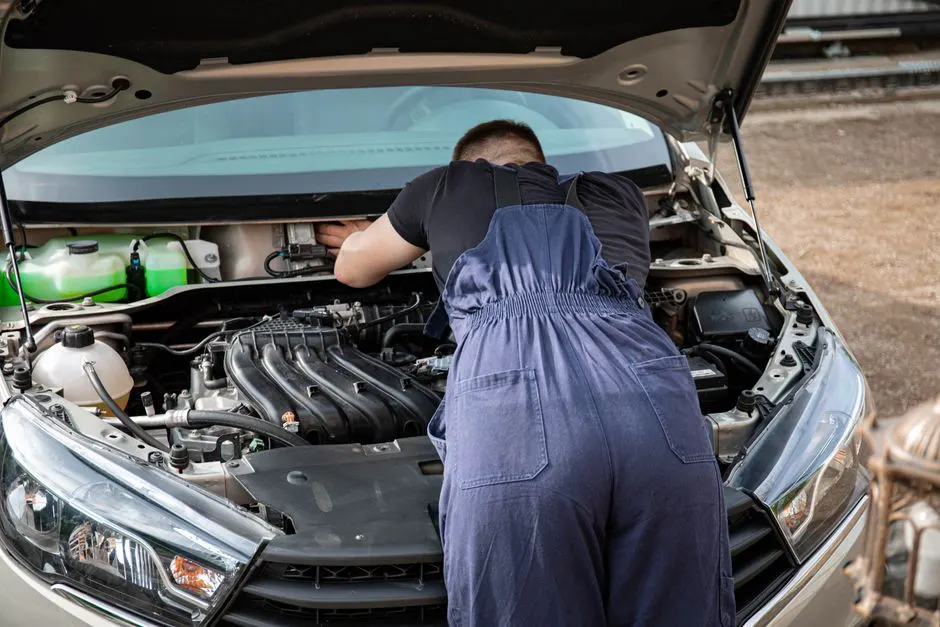
A failed furnace is not a wait-until-next-week problem in a Utah winter. Here is what you get when you call us instead of rolling the dice on a handyman.
Same-day heat restored
Most repairs are finished in a single visit, usually two to four hours on site. We stock igniters, flame sensors, capacitors, and gas valves on the truck, so we are not making a parts run while your house drops below 60 degrees.
Safety verified, not assumed
Every gas furnace service Utah call ends with a combustion analyzer check and a heat exchanger inspection. We test for carbon monoxide and confirm the flue is drafting correctly, because a furnace that heats is not automatically a furnace that is safe.
Straight pricing before work
You get the diagnosis and the price before we start. Typical gas furnace repair cost in Utah runs $180 to $650 depending on the part and the access, and we tell you which number applies to your job before we open a toolbox.
Brands we know cold
Carrier, Trane, Lennox, Goodman, Rheem, York, Bryant, and American Standard all sit on our service list. We know their common failure points, from Goodman pressure switch tubing to Lennox control boards, which cuts diagnostic time and gets you heat faster.
Typical 2026 pricing for gas furnace repair in Utah runs $180 to $650, with most jobs landing near $350. A simple igniter or flame sensor replacement sits at the low end, while blower motors, gas valves, and control boards push toward the top. Emergency and after-hours calls add a dispatch fee. We quote the full price before we start, so you are never surprised by the invoice. If a repair is not worth it against the age of your system, we tell you that straight.
Typical Investment Range
$180 - $650 depending on the part and scope, with emergency dispatch adding a fee
You get a real diagnosis, a code-correct repair, and a combustion safety check on every visit. That is what keeps the fix from coming back in March and what protects your family from carbon monoxide all winter.
What changes the price
Part being replaced
An igniter or thermocouple is a quick, low-cost fix. A blower motor, gas valve, or control board costs more in parts and labor. We tell you which category your repair falls into after the diagnostic.
Furnace age and brand
Parts for older or less common units can be harder to source, and some brands cost more to service. We work on Carrier, Trane, Lennox, Goodman, Rheem, York, Bryant, and American Standard and know their pricing.
Access and location
A furnace in a tight closet or attic takes longer to service than one in an open basement. Difficult access adds labor time, and we flag that before we start the job.
Time of call
Standard hours cost less than nights, weekends, and holidays. Emergency dispatch carries a premium because we are pulling a tech off schedule to get your heat back on.
Repair versus replace
If the repair cost approaches half the price of a new furnace and the unit is near the end of its life, replacement often makes more financial sense. We give you both numbers and let you decide.
Google ★★★★★4.9
Called at 6 a.m. with no heat and they had a tech at the house by 9. Found a bad igniter, replaced it, and checked the heat exchanger and CO levels before leaving. Fair price and no attempt to sell me a new furnace.
Yelp ★★★★★4.8
Our furnace was short cycling and another company wanted to replace it. These guys cleaned the flame sensor and fixed the airflow for a fraction of the cost. Honest work and they explained everything.
BBB ★★★★★4.9
Emergency call on a Sunday night and they actually answered. Tech arrived within a couple of hours, diagnosed a gas valve issue, and had us warm the same night. Professional and upfront on pricing.
Google ★★★★★5.0
High-efficiency furnace was leaking water and locking out. They cleared the condensate trap, corrected the pitch, and tested everything. No more lockouts all winter. Will use them for annual maintenance from now on.
Our technicians hold NATE certification and work under a Utah HVAC license, with EPA Section 608 handling credentials for refrigerant and gas work. We follow the International Mechanical Code and ASHRAE standards on every install and repair, and OSHA safety rules on every job site. That matters because Utah furnaces face wildly different conditions depending on where you live, from the deep cold of the Uinta Basin to the mild but dusty winters of Saint George. We have diagnosed short cycling in Coalville, pilot light failures in Monticello, and heat exchanger cracks in Ogden, and we bring the right tools and parts for each one.
We cover the whole state, from the northern Wasatch Front to the rural south. Whether you need gas heating repair Utah wide or a same-day fix in a small town, we dispatch techs with the parts and tools to handle it. Here are some of the communities we serve most.
Rural Box Elder County homes here run mid-efficiency furnaces that need regular ignition and venting checks. We dispatch from the northern route and carry common parts on the truck.
Older housing stock means metal flues and draft concerns. We inspect venting closely and test combustion with a flue gas analyzer on every repair.
High-elevation cold pushes furnaces hard here. We verify gas pressure and temperature rise so units hold up through sub-zero stretches.
Remote and cold, this area needs techs who carry their own parts. We stock igniters, flame sensors, and blower motors so rural calls finish the same day.
Small Sanpete County community where we handle gas furnace repair and annual tune-ups. We schedule rural routes so you are not waiting days for a callback.
Newer construction here often has tight envelopes and high-efficiency furnaces. We check combustion air and condensate drainage, common issues in tight builds.
We serve military families and base-adjacent homes with same-day and emergency service. Clear communication and upfront pricing, no surprises.
One of the most remote spots we cover. We plan parts and routing carefully so a no-heat call out here still gets fixed on the first visit.
Juab County homes deal with cold snaps and dusty air. We clean flame sensors and check filters on every call to prevent short cycling.
Mountain-town winters mean furnaces run long. We test ignition and heat exchanger integrity so the system stays safe through the season.
High-altitude cold in San Juan County stresses gas furnaces. We adjust gas pressure for elevation and verify combustion before we leave.
Older East Bench homes often have undersized returns. We measure static pressure and correct airflow, not just the visible symptom.
Small Box Elder County town where we handle repairs and tune-ups on rural routes. We carry the parts so most jobs finish in one visit.
Milder winters but heavy dust clogs filters fast. We check airflow and filter condition to prevent the overheating that shortens furnace life.
Newer Daybreak-area homes need correctly sized high-efficiency service. We check combustion air and condensate drainage on every visit.
Real answers to the questions we hear most often from local homeowners and property managers.
General furnace repair covers electric and gas systems alike. If your unit is not a gas model, this is the service you want, and we diagnose it with the same tools and the same upfront pricing.
View Furnace RepairWhen a repair is not the answer, we install new furnaces sized to your home's square footage and ductwork. Proper sizing prevents the short cycling that kills furnaces early, and we handle the gas line and venting to code.
View Furnace InstallationReplacing a furnace means removing the old unit, disposing of it, and commissioning the new one. We handle the whole job, including the permit and the combustion test, so you are not coordinating three different trades.
View Furnace ReplacementNo-heat calls after hours get priority dispatch. We keep emergency parts on the truck, so a dead furnace at midnight is usually a same-night fix rather than a next-morning appointment.
View Emergency Furnace RepairDust, pet hair, and Utah's spring pollen clog burners and blowers. A deep cleaning restores airflow, cuts energy use, and prevents the overheating that leads to bigger repair bills down the road.
View Furnace CleaningAn annual tune-up checks ignition, gas pressure, and temperature rise before winter hits. It is the cheapest way to avoid a mid-January breakdown and to keep your manufacturer warranty valid.
View Furnace Tune-UpCall us at (866) 961-2544 any time, day or night. Our dispatch line is staffed 24/7 for emergency no-heat calls, and standard appointments run Monday through Friday, 8 a.m. to 6 p.m. We serve every corner of Utah, from the Wasatch Front to the rural counties. Book online or by phone and we'll confirm your window fast.
Phone
(866) 961-2544Address
Utah
Hours
Mon–Fri: 7AM – 7PM
Sat: 8AM – 4PM
Sun: Emergency Only
24/7 Emergency Available