
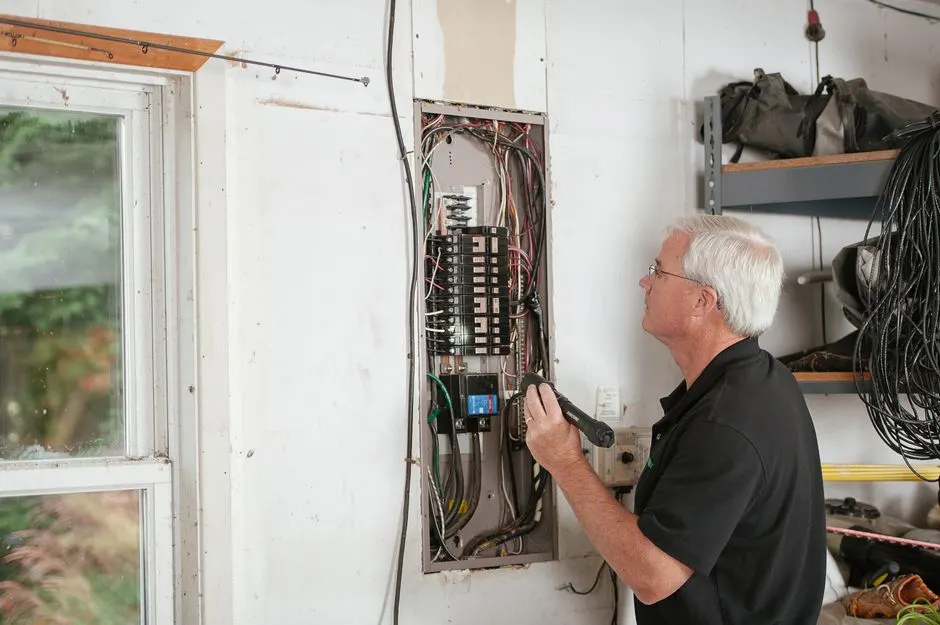
Manual J Load Calculation
We measure square footage, insulation, windows, and ceiling height, then calculate your actual heat loss. This determines the correct BTU rating so you are not oversold on capacity or stuck with a unit that runs constantly.
Every install we do covers the full scope: equipment, labor, permit, commissioning, and cleanup. Here is what is in the standard package, and what we handle as an add-on if your home needs it.
We measure square footage, insulation, windows, and ceiling height, then calculate your actual heat loss. This determines the correct BTU rating so you are not oversold on capacity or stuck with a unit that runs constantly.
We pull the permit with your city or county and coordinate the inspection. The signed-off record stays with the house and satisfies insurance and resale disclosure requirements.
Furnace set, leveled, and connected to gas, electrical, and flue. We wire and program your thermostat, including smart thermostats if you have one, and confirm the heat call works from every zone.
Gas pressure verified with a manometer, temperature rise checked with a thermometer, and combustion verified with a flue gas analyzer. You get the readings in writing so future tune-ups have a baseline.
We disconnect and remove the old furnace, including the flue and any debris, and dispose of it properly. No leftover equipment in your garage or on the curb.
We register the equipment with the manufacturer so your 10-year parts warranty is active from day one, and we explain what our labor warranty covers and how to file a claim if you ever need one.
Furnace Installation in Utah is the full removal and replacement of your home's heating plant, including load calculation, equipment selection, gas piping, venting, electrical connections, thermostat wiring, and startup testing. It is not a swap-and-go job. A proper install starts with a Manual J load calculation so the new furnace matches your home's actual heat loss, then moves through permit, rough-in, and commissioning with instruments like a manometer and combustion analyzer to confirm gas pressure and flue gases are in spec.
Utah homes face a specific set of conditions: single-digit January mornings along the Wasatch Front, 6,000-foot-plus elevations in places like Hatch and Altamont, and inversions that trap exhaust near the valley floor. Those conditions punish undersized equipment and sloppy venting. If your current furnace is short cycling, blowing cold air, or making a banging noise on startup, a new furnace installation in Utah often costs less over five years than repeated repairs on a unit past its service life.
Five stages from first call to first heat. Most single-family homes are done in one day; larger or dual-system homes run two. Here is exactly what you will see.
Schedule
Call or book online — a real human picks up and confirms a 2-hour arrival window.
Diagnose
Licensed tech inspects on-site, then walks you through the cause and your options.
Fix
The job is completed to code and done right the first time — no shortcuts, no surprises.
Guarantee
Every job backed by a written workmanship warranty — and we stand behind it.
Manometer
Measures inlet and manifold gas pressure to confirm the furnace is running at the manufacturer's specified settings for your elevation.
Combustion Analyzer
Reads flue gas oxygen, carbon monoxide, and temperature to verify the furnace is burning cleanly and venting safely before we leave.
Multimeter and Clamp Meter
Tests voltage, continuity, and amp draw on the blower motor, igniter, and control board during commissioning and diagnosis.
Inspection Camera
Lets us look inside the heat exchanger and flue without disassembly, so we can confirm condition before and after the install.
Thermometer and Vacuum Gauge
Confirms temperature rise across the heat exchanger and verifies gas line evacuation when we run new piping.
Manual J Load Calculation
The ACCA-approved method for sizing heating equipment based on actual heat loss. We run it on every quote so the furnace matches your home, not a rule-of-thumb guess based on square footage alone.
International Mechanical Code (IMC) Compliance
Every install follows IMC requirements for venting, combustion air, clearances, and gas piping. This is what the city inspector checks, and it is what keeps your system safe and insurable.
ASHRAE Standards for Airflow
We measure static pressure and airflow against ASHRAE guidance to confirm the duct system can actually deliver the CFM the furnace needs. If it cannot, we address it during the install.
NATE-Certified Installation Practices
Our techs follow NATE-certified procedures for gas pressure, temperature rise, and combustion testing. It is the industry standard for verifying a furnace is installed correctly, not just running.
01
What we do: We quote a replacement and show you the five-year cost comparison between repairing again and installing new. Most homeowners break even on a new 96% unit within 4-6 years on gas savings alone.
→ You stop budgeting for surprise breakdowns and start with a system under full warranty.
02
What we do: We run a load calculation, check duct sizing, and recommend a correctly sized two-stage or variable-speed unit that moves air more evenly. We also address any duct restrictions we find during the install.
→ Even temperatures upstairs and downstairs, and a system that runs quieter and less often.
03
What we do: We size a separate furnace or a zoned system for the new space, run the gas and flue, and tie it into your existing thermostat setup or add a dedicated one.
→ Independent temperature control for the new space without overworking the main furnace.
04
What we do: We install a furnace rated for high elevation with freeze protection and, if you want, a smart thermostat you can monitor remotely. We also set the low-limit so pipes are protected when you are away.
→ You arrive to a warm cabin instead of a burst pipe and a flooded floor.
Utah is not one climate. The Wasatch Front sees inversions that trap exhaust near the valley floor, so proper venting and combustion air matter more here than in most states. The Uinta Basin runs colder and higher, which means equipment has to be derated for elevation and gas pressure adjusted accordingly. Southern Utah's high plateaus, from Cedar City to Hatch, swing hard between day and night temperatures, so furnaces there cycle more and benefit from two-stage or variable-speed models. Building stock varies too: 1950s ramblers in Sandy and Kaysville often have undersized ducts, while newer construction in Hooper and Midway may have tight envelopes that need a smaller furnace than the square footage suggests. We adjust the load calculation, the equipment selection, and the commissioning targets to match where you actually live. If you are comparing furnace replacement and installation Utah options, the local details are what separate a system that lasts from one that struggles.
Sandy East Bench
Older ramblers with original ductwork; we often find undersized returns that need correction during install to hit rated airflow.
Park City and Snyderville Basin
High-elevation homes with long heating seasons; equipment derate and freeze protection are standard on every install here.
Kaysville and Davis County
Mix of 1970s-1990s construction; many homes still have 80% furnaces with metal flues that need upgrading to PVC for high-efficiency units.
Cedar City and Iron County
Wide day-night temperature swings cause more cycling; two-stage furnaces hold temperature steadier and last longer in this climate.
Uinta Basin (Neola, Fort Duchesne)
Elevations above 5,000 feet require gas pressure adjustment and often a larger BTU rating than sea-level sizing would suggest.
Winter inversions along the Wasatch Front
Trapped exhaust near the valley floor makes proper venting and combustion air critical. We verify flue draft and CO levels on every install to confirm the system is safe under inversion conditions.
High-elevation homes above 5,000 feet
Thinner air changes combustion and heat transfer. We derate equipment and adjust manifold gas pressure to match your elevation, which most out-of-area installers skip.
Hard freezes and rapid temperature drops
Furnaces work harder and cycle more. We size for the coldest week of the year, not the average, so the system keeps up when it matters most.
Mixed building stock from 1950s to new construction
Duct sizing, insulation, and envelope tightness vary widely. A Manual J calculation accounts for these differences so the furnace matches your specific home.
Most furnace replacements start with a symptom the homeowner has been tolerating for months. Here are the ones we see most often, and what they actually mean for your system.
Problem
A furnace blowing cold air usually means a failed igniter, a bad flame sensor, or a cracked heat exchanger. Ignoring it risks carbon monoxide exposure and leaves you without heat on the coldest nights.
Our Fix
We diagnose the actual fault with a multimeter and inspection camera. If the heat exchanger is cracked, replacement is the safe call and we install a new unit with a proper flue and combustion test. If it is a $40 igniter, we replace that and save you the install cost.
Problem
Short cycling wears out the blower motor and gas valve, drives up gas bills, and often points to an oversized furnace or a duct system that cannot move enough air. It gets worse every season.
Our Fix
We measure static pressure and temperature rise to find the cause. If the furnace is oversized for the home, a correctly sized replacement fixes the problem permanently. If the ducts are undersized, we address that during the install.
Problem
Banging on ignition is often delayed gas ignition, which puts stress on the heat exchanger and can crack it over time. It is also a sign the gas valve or burners need service.
Our Fix
We inspect the burners, gas valve, and heat exchanger with an inspection camera. If the exchanger is compromised, we replace the furnace. If it is a burner or gas pressure issue, we correct it and verify with a combustion analyzer.
Problem
On a high-efficiency condensing furnace, a clogged condensate trap or drain line causes water to back up into the cabinet. Left alone, it rusts the heat exchanger and shorts the control board.
Our Fix
We clear the trap and drain, check the secondary heat exchanger for corrosion, and correct the slope on the drain line. If the exchanger is already compromised, we quote a replacement rather than patch a failing unit.
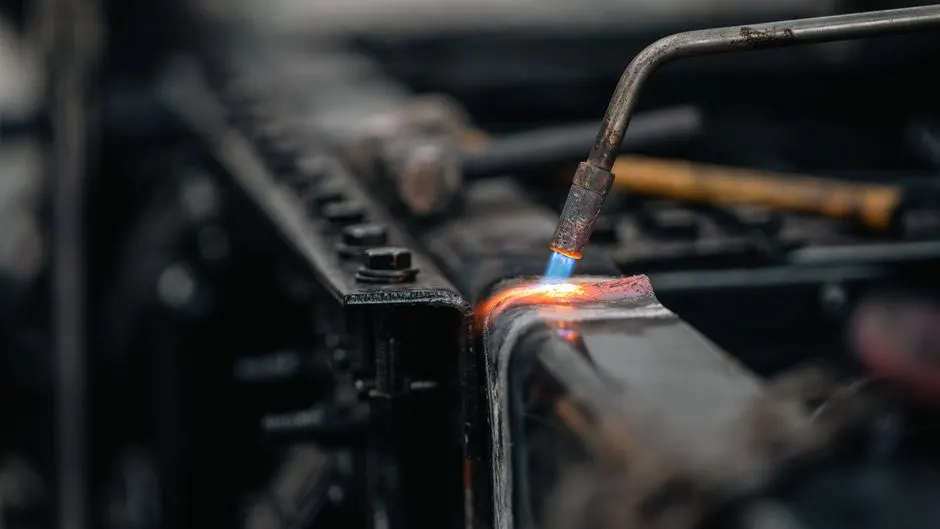
A new furnace changes your winter. Lower gas bills, even heat room to room, and a warranty that covers the parts most likely to fail. Here is what a properly installed system delivers.
Lower Monthly Gas Bills
A modern 96% AFUE furnace burns roughly 15-25% less gas than the 80% unit it replaces. On a $140 January bill in Salt Lake or Davis County, that is real money back every month, and it compounds across a 15-20 year equipment lifespan.
Even Heat, No Cold Rooms
Correct sizing plus a properly matched blower motor and duct static pressure means the back bedroom heats like the living room. We measure airflow at every register during commissioning so you are not paying for heat that never reaches the far end of the house.
Fewer 2 A.M. Breakdowns
New igniters, flame sensors, gas valves, and heat exchangers do not fail on the coldest night of the year. A furnace replacement Utah homeowners schedule in fall beats an emergency call in January when every tech in the state is booked out three days.
Warranty and Permit Coverage
Registered equipment carries a 10-year parts warranty on most Carrier, Trane, and Lennox units, plus our labor warranty. A pulled permit means the inspection record follows the house, which matters at resale and keeps your homeowner's insurance valid.
Typical 2026 pricing for furnace installation in Utah runs $3,800 to $8,500 for a standard single-family home, with the average replacement landing around $5,200. That covers equipment, labor, permit, commissioning, and haul-away. Higher-efficiency units, two-stage or variable-speed models, and jobs needing new venting or gas-line work push toward the top of the range. A basic 80% single-stage swap in a standard basement can come in under $4,000. We quote flat pricing upfront so you know the number before we start.
Typical Investment Range
$3,800 - $8,500 depending on equipment tier, venting, and ductwork
A new furnace lasts 15-20 years and cuts gas usage 15-25% versus an 80% unit. Spread across that lifespan, the monthly cost of the upgrade is often less than the repairs you would pay on a failing system.
What changes the price
Furnace efficiency tier
An 80% single-stage furnace sits at the low end; a 96%+ two-stage or variable-speed unit sits at the high end. The efficiency difference shows up on your gas bill every month for the life of the equipment.
BTU size and equipment brand
Larger capacity costs more, and premium brands like Carrier, Trane, and Lennox carry a higher price than Goodman or Rheem. We quote multiple tiers so you can weigh upfront cost against long-term efficiency.
Venting requirements
Replacing an 80% furnace with a high-efficiency condensing unit usually means new PVC venting and a condensate drain, which adds labor and materials. If your existing flue is compatible, the cost drops.
Ductwork modifications
If static pressure testing shows the ducts cannot deliver rated airflow, we may need to add returns or resize trunk lines. This is common in older Sandy and Kaysville homes and adds to the job scope.
Gas line and electrical work
Running a new gas line or upgrading the electrical circuit for a higher-draw blower motor adds cost. We flag this during the assessment so it is in the quote, not a surprise on install day.
Access and location
A basement install with a straight shot to the flue is faster than an attic or crawlspace job. Tight access, low clearances, and long flue runs add labor hours and cost.
Google ★★★★★4.9
Furnace Pros Utah replaced our 20-year-old furnace in one day. They pulled the permit, ran a combustion test, and showed me the readings before they left. Fair price, no upsell, and the house heats better than it ever has.
Google ★★★★★4.8
Called on a Tuesday, had a quote Wednesday, install Friday. The techs were clean, on time, and walked me through the thermostat setup. Our January gas bill was $50 lower than last year.
BBB ★★★★★4.9
We had three quotes and Furnace Pros Utah was the only one that measured the house and ran a load calculation. The new furnace is correctly sized and the inspector signed off without any issues. Highly recommend.
Yelp ★★★★★4.7
Our cabin furnace died in December and they got us on the schedule within two days. They adjusted the gas pressure for elevation and the system has run perfectly all winter. Straight answers and no runaround.
Our techs hold NATE certification and EPA Section 608 credentials, and every install is performed under a Utah HVAC license with OSHA-compliant jobsite practices. We work to International Mechanical Code and ASHRAE standards on every job, from a 1,200-square-foot rambler in Delta to a 4,000-square-foot Park City build with two zones. We have installed and serviced equipment from Carrier, Trane, Lennox, Goodman, Rheem, York, Bryant, and American Standard, so we can match the right brand to your budget and duct system instead of pushing whatever is on the truck.
We install furnaces across Utah, from the Wasatch Front to the Uinta Basin to the high plateaus of the south. Elevation, climate, and building stock change from town to town, so we adjust the load calculation and equipment selection for each location. If you are looking for furnace installers Utah homeowners trust, we cover the communities below and many more.
High-elevation installs in Altamont require equipment derate and gas pressure adjustment. We size for the cold Uinta Basin winters and verify combustion at commissioning.
Bingham Canyon homes sit at elevation with older construction. We handle the load calculation, duct inspection, and permit for furnace replacement in this historic mining community.
Cedar City's wide day-night temperature swings favor two-stage furnaces. We install and commission systems that hold temperature steady without constant cycling.
Delta homes face cold, dry winters. We install correctly sized furnaces with proper venting and confirm temperature rise and gas pressure before we leave.
Rural Elberta properties often have unique duct layouts. We assess the existing system, run a Manual J, and install a furnace that fits the home's actual heat loss.
Fort Duchesne sits above 5,000 feet, so we derate equipment and adjust manifold pressure. Every install includes a combustion test at elevation.
Hatch sits near 7,000 feet with hard winters. We install high-elevation-rated furnaces with freeze protection and verify flue draft under local conditions.
Hooper's newer construction often has tight envelopes that need smaller furnaces than square footage suggests. We run the load calculation to size correctly.
Kaysville's mix of older and newer homes means duct sizing varies widely. We test static pressure and correct airflow issues during the install.
Lyman's rural setting and cold winters call for reliable, correctly sized equipment. We handle the permit, install, and commissioning in one visit.
Midway's Swiss-style chalets and valley homes need heating systems that handle cold nights. We install two-stage and variable-speed furnaces for steady comfort.
Neola's elevation requires gas pressure adjustment and often a larger BTU rating. We size and commission every install for the local conditions.
Park City's high-elevation homes and long heating seasons demand derated equipment and freeze protection. We install systems built for mountain winters.
Richfield's cold winters and older housing stock mean ductwork often needs attention. We inspect, correct, and install a furnace sized for the home.
Sandy's East Bench ramblers often have undersized returns. We correct airflow during the install so the new furnace hits its rated efficiency.
Real answers to the questions we hear most often from local homeowners and property managers.
Not every problem needs a new unit. If your furnace is under 12 years old and the repair is under a third of replacement cost, we will tell you to fix it. We diagnose igniters, flame sensors, blower motors, and gas valves on the first visit.
View Furnace RepairWhen repair no longer makes sense, replacement is the same job as installation with the removal and disposal handled. We size, permit, install, and commission the new unit, then haul the old one away the same day.
View Furnace ReplacementNo heat at 2 a.m. in January is an emergency. We run 24/7 dispatch across the Wasatch Front and can often get a tech to you within a few hours to restore heat or get you on the schedule for a next-morning install.
View Emergency Furnace RepairDust, pet hair, and Utah's spring pollen load up a blower wheel and evaporator coil. A cleaning restores airflow, drops your static pressure, and helps a new furnace hit its rated efficiency instead of choking on debris.
View Furnace CleaningAn annual tune-up checks gas pressure, flame sensor condition, temperature rise, and flue draft. On a new install it keeps the warranty valid; on an older unit it catches small problems before they become a January no-heat call.
View Furnace Tune-UpBeyond the tune-up, maintenance covers filter changes, capacitor testing, and heat exchanger inspection. We recommend it every fall so your system is ready before the first hard freeze hits the valley.
View Furnace MaintenanceCall us at (866) 961-2544 any time, day or night. Our dispatch line is staffed 24/7 for emergency no-heat calls, and standard appointments run Monday through Friday, 8 a.m. to 6 p.m. We serve every corner of Utah, from the Wasatch Front to the rural counties. Book online or by phone and we'll confirm your window fast.
Phone
(866) 961-2544Address
Utah
Hours
Mon–Fri: 7AM – 7PM
Sat: 8AM – 4PM
Sun: Emergency Only
24/7 Emergency Available